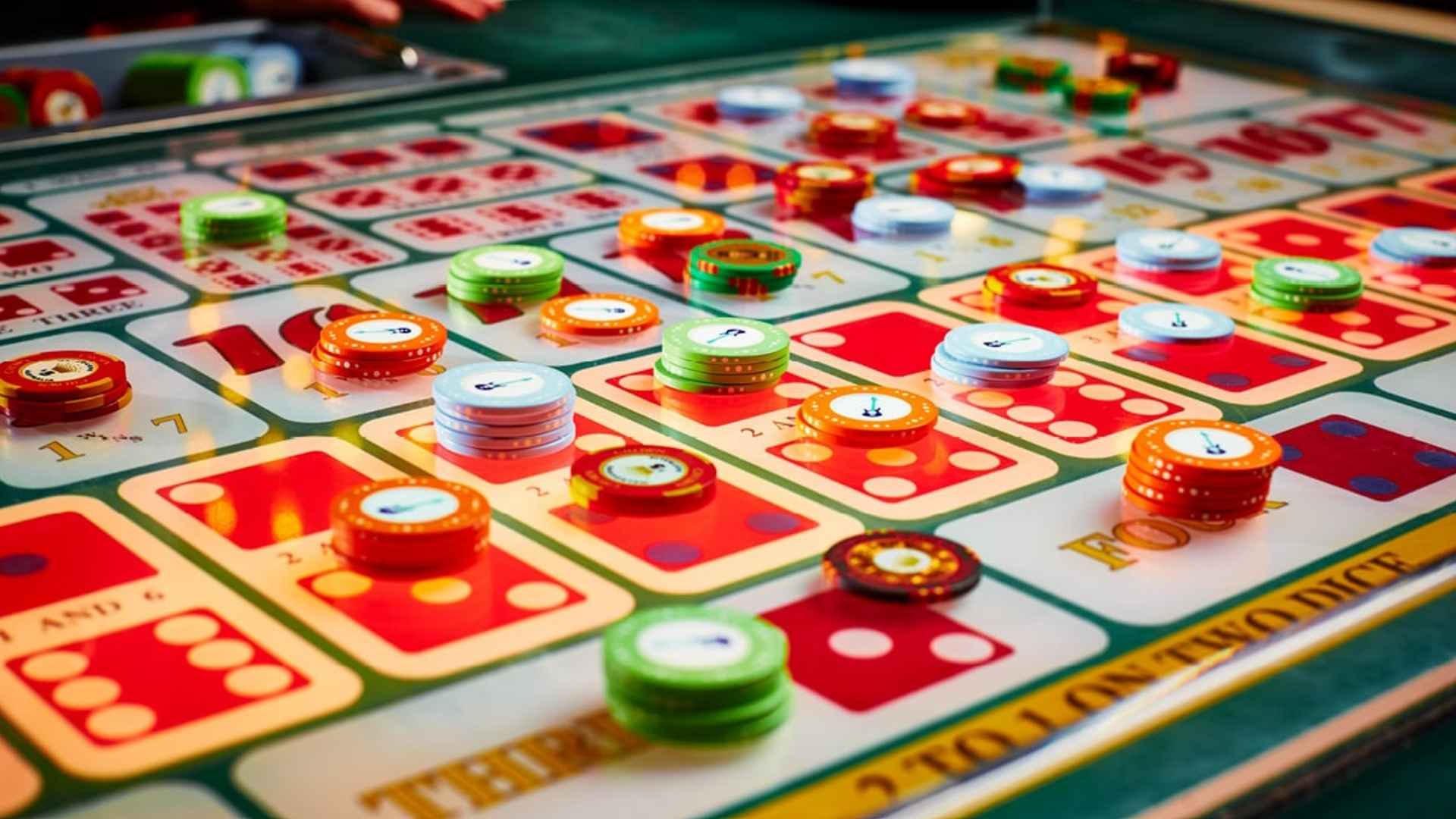
Sic Bo is a captivating casino game that relies on the interaction of three distinct dice to produce a vast array of outcomes. While the large betting grid may initially look complex, mastering the underlying mathematical possibilities is the key to appreciating its true depth. Understanding how these distinct permutations form allows participants to navigate the table with structural clarity.
The Mathematical Framework of Three Dice
When three independent six-sided dice are shaken inside a container, they generate a finite sample space of exactly 216 unique mathematical outcomes. Each individual die operates autonomously, meaning that every single numerical face has an equal probability of appearing on any given turn. Recognizing this foundational formula helps clear up common misconceptions about hot or cold streaks at the table.
Because the numbers combine in various ways, the probability of hitting specific sums or layouts differs dramatically. For instance, there are many ways to form a total of ten, but only a few ways to roll a specific high-value combination. Analytical players focus on these statistical distributions to bring systematic order to their active sessions.
Analyzing Simple and Single Number Outcomes
The most basic building blocks of the betting layout involve single number predictions, where you wager on a specific digit showing up. If your chosen number appears on one, two, or all three dice, the corresponding payout increases accordingly. This option provides a balanced introduction to the physical behavior of multiple dice moving simultaneously.
For individuals exploring modern digital versions of this classic pastime, using a reliable platform like m88 alternatif provides an authentic environment to observe how these patterns manifest. These straightforward selections offer steady engagement and form the basis for more advanced wagering strategies later on. By tracking single outcomes, newcomers can easily build their confidence before moving toward multi-number arrays.
Mastering Double and Specific Combination Wagers
Moving up the risk scale reveals double wagers, which require exactly two of the three dice to display the identical value. This specific outcome occurs less frequently than single numbers, which naturally shifts the mathematical house advantage and the potential reward. It represents a middle ground for experienced participants seeking optimal variance management.
Similarly, combination bets allow you to target two specific individual numbers appearing across the three rolled results. Instead of focusing on the final cumulative sum, you are predicting the specific identities of the independent pieces. This provides a compelling playground for strategic thinkers who prefer detailed probability tracking over simple even-money choices.
The Extravagance of Specific Totals and Triples
The highest level of volatility on the board belongs to specific total sums and the elusive triple bets. A specific total wager requires the exact addition of all three faces to match a chosen number between four and seventeen. The outer edges, such as four and seventeen, carry the steepest odds due to having the fewest possible combinations.
Finally, specific triples require all three dice to land on the exact same numerical face, representing the rarest event in the game. While the payout for hitting a triple is exceptionally large, it also carries the most significant statistical house edge. Balancing these high-risk options with stable, low-variance selections ensures a sustainable and responsible entertainment experience.