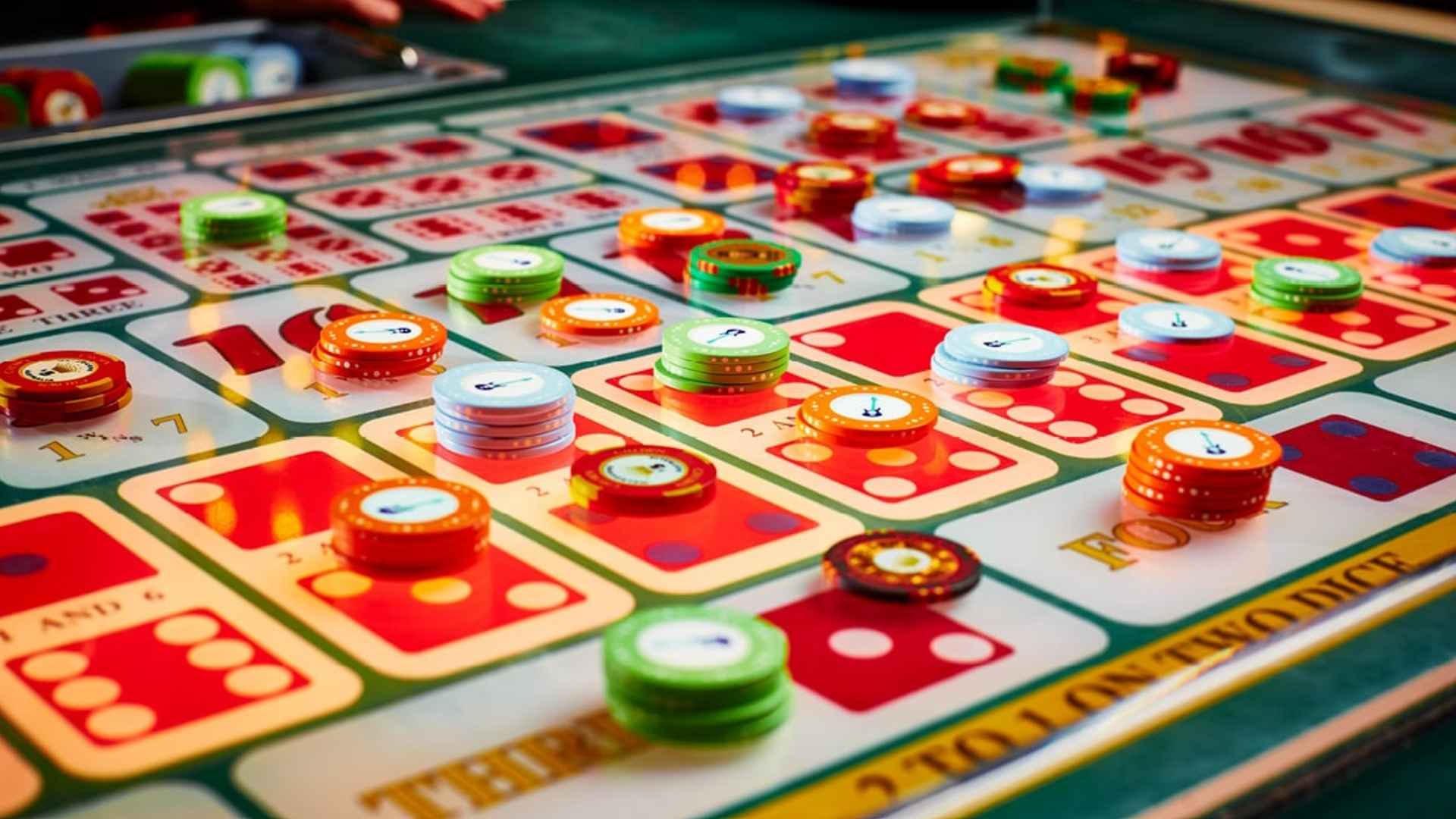
In the world of competitive card games, success is often measured by the chips you win, but true mastery is defined by the chips you preserve. Knowing when to step away from a hand is not a sign of weakness; instead, it is a calculated decision that separates casual players from seasoned professionals. Embracing the art of strategic folding is one of the most powerful ways to safeguard your resources and build a sustainable path to victory.
The Psychology of Letting Go
Many players struggle with folding because of cognitive biases like the sunk cost fallacy, which makes them feel compelled to stay in a hand just because they have already invested chips. Overcoming this emotional barrier requires a shift in perspective, viewing every decision point as an entirely fresh investment opportunity. By removing ego from the equation, you can make objective choices based on current probabilities rather than past investments.
Developing this mental discipline allows you to remain calm under intense pressure, even during a challenging downswing. When you learn to view folding as an active, strategic choice rather than a passive defeat, you regain control over your overall table dynamics. This psychological resilience keeps your mind sharp and prevents the emotional errors that often lead to devastating losses.
Calculating Risk and Reward
Every decision at the table should be backed by a clear understanding of pot odds and implied odds. When the mathematical probability of improving your hand does not justify the cost of the call, folding is the only logical choice. Calculating these ratios in real time helps you avoid chasing marginal draws that will ultimately drain your bankroll.
To practice these calculations and apply structured discipline in a live gaming environment, finding a reliable platform like the m88 alternatif portal can offer highly valuable experience. Testing your analytical boundaries against diverse opponents helps refine your decision-making speed and accuracy. Consistent application of these mathematical principles ensures that your profitable sessions will naturally outpace your losses over time.
Position and Information Gathering
Your physical position at the table plays a massive role in determining whether a fold is the correct strategic move. Acting early forces you to play in the dark, meaning you must fold marginal hands much more frequently to avoid being trapped by players behind you. Conversely, sitting in late position grants you the benefit of seeing how your opponents react before you make your move.
By gathering valuable information from your opponents' checks, raises, and bet sizes, you can deduce their hand strength with greater precision. This extra data makes it significantly easier to execute a disciplined fold when you suspect you are beaten. Using your position to minimize risk is a fundamental habit that guarantees long-term sustainability.
Preserving Your Capital for Premium Opportunities
Every chip you save by making a disciplined fold is a chip that remains available for future situations where you hold a massive statistical advantage. Patience is a critical virtue, and waiting for the right moment to strike is far more profitable than forcing action with weak cards. Protecting your table equity ensures that when a premium hand finally arrives, you have the capital necessary to maximize your returns.
Ultimately, strategic folding is about managing your risk profile and playing a disciplined, long-term game. By treating your chips as valuable tools rather than temporary tokens, you build a solid foundation for consistent success. The players who master the fold are almost always the ones who end up holding the largest stacks at the end of the day.