Baccarat has captured the fascination of gaming enthusiasts for centuries, shifting seamlessly from elite European salons to modern digital platforms. Understanding its rich history reveals how a simple game of chance transformed into a global gaming phenomenon. By looking back at its origins, players can gain a deeper appreciation for the variations found on casino floors today.
The Aristocratic Beginnings in European Salons
The early history of baccarat is deeply rooted in European nobility, particularly within the private gaming rooms of 19th-century France. Initially played as a parlor game called Chemin de Fer, it required active participation as players took turns acting as the bank. This formal environment fostered a reputation of exclusivity and high stakes that stayed associated with the game for generations.
As the game traveled across borders, regional cultures began introducing their own unique adjustments to the rules. In Great Britain and other parts of Europe, variants emerged that altered how the banking position was held and managed. These early adjustments laid the foundation for the diverse formats that enthusiasts celebrate in the modern era.
The Structural Shift to Punto Banco
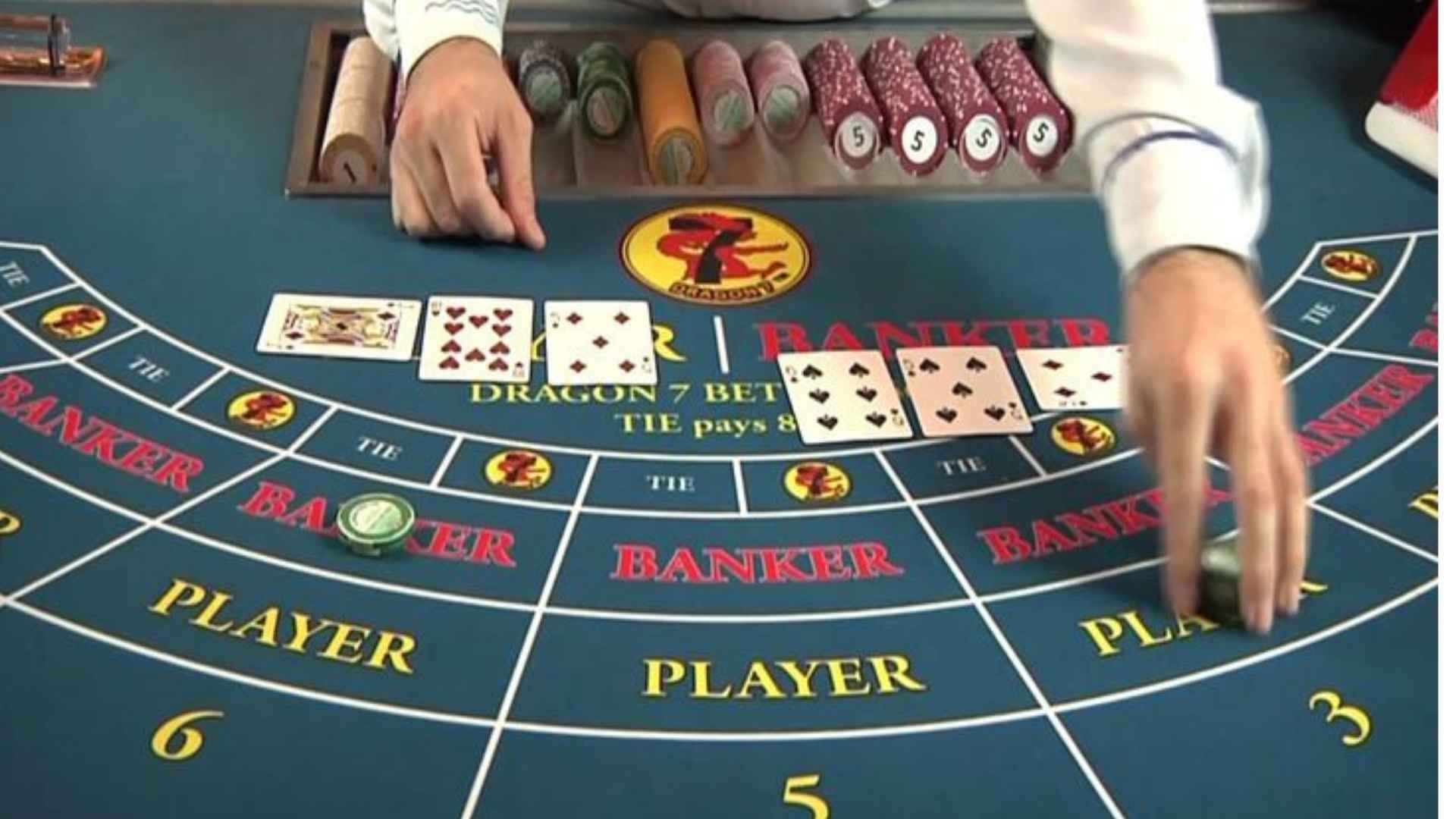
The most significant turning point in the evolution of baccarat occurred when the game crossed the Atlantic to the Americas. In the mid-20th century, a simplified version known as Punto Banco emerged and completely revolutionized the casino landscape. This format eliminated complex player decisions by implementing strict, predetermined drawing rules managed entirely by the dealer.
By reducing the barrier to entry, casinos successfully opened the game to a much wider audience of casual players. For individuals tracking these historical updates online, using a secure portal like M88 Msports Login allows enthusiasts to observe how these classic rules function in real-time environments. The predictable structure of Punto Banco quickly made it the standard version featured in major land-based gaming destinations worldwide.
The Rise of Mini Baccarat for Casual Audiences
As casinos noticed the growing popularity of the game among average visitors, they looked for ways to increase table efficiency. This demand led to the creation of Mini Baccarat, which scales down the physical environment to look more like standard blackjack setups. The game features lower wagering limits and a much faster dealing pace, removing the intimidating rituals of high-roller rooms.
This specific iteration democratized the game entirely, making it accessible to anyone walking onto the gaming floor. Players no longer needed large bankrolls or formal attire to enjoy the suspenseful card evaluation process. Mini Baccarat successfully bridged the gap between exclusive luxury and mainstream entertainment.
Modern Digital Transformations and Global Accessibility
The dawn of the internet era triggered the latest major phase in the complete evolution of baccarat games. Online platforms successfully transitioned the traditional table experience into digital spaces, offering players instant access from anywhere in the world. Software developers created diverse virtual tables that perfectly replicate the exact mathematical odds of the classic game versions.
Furthermore, the introduction of live dealer technology added a fresh layer of authenticity to the digital space by streaming real-time action. Modern players can now enjoy the historical sophistication of European salons combined with the absolute convenience of digital devices. This ongoing adaptability ensures that baccarat remains one of the most resilient and popular card games globally.