Casino table games have long served as the centerpiece of traditional and digital gambling floors, captivating players with a mix of chance, strategy, and social interaction. Understanding how different options compare helps enthusiasts choose games that align best with their skills and budget preferences. Evaluating core mechanics, house edges, and pacing reveals distinct experiences across various classic titles.
Blackjack: Strategic Decision-Making and Favorable Odds
Blackjack remains widely recognized for offering some of the best mathematical odds among traditional casino games. Players aim to build a hand value closer to 21 than the dealer without going over. Utilizing basic mathematical strategies allows participants to minimize the house advantage significantly compared to pure chance options.
The feature that sets blackjack apart is the degree of control given to the player through decisions like splitting, doubling down, or standing. Dynamic live options found on modern platforms like m88 mới nhất hôm nay replicate this authentic dealer interaction for remote players. This balance of calculated risk and straightforward execution makes it an enduring favorite.
Roulette: Variety in Betting Options and Visual Appeal
Roulette relies entirely on probability, featuring an iconic spinning wheel and a grid of diverse betting possibilities. Players can opt for low-risk outside wagers such as red/black or even/odd, or target specific numbers for higher payouts. This flexibility makes roulette accessible to both cautious beginners and high-variance players.
European variants generally offer better theoretical returns than American rules because they feature a single zero rather than two. The visual movement and anticipation of the landing ball create a distinct social atmosphere that few other table options match. Its mechanics require zero prior training, allowing immediate engagement.
Baccarat: Streamlined Rules and Low House Edge
Baccarat offers an elegant yet straightforward table experience centered on predicting which hand, Player or Banker, will finish closer to nine. Despite its historical reputation as an exclusive high-roller game, modern digital formats make it accessible to everyone. The game features minimal player intervention after initial bets are placed, creating a relaxed pacing.
Statistically, the Banker wager presents one of the lowest house advantages found across the entire casino floor. Because draw rules are fixed and executed automatically by the dealer, players focus purely on bankroll management. This combination of structural simplicity and favorable metrics explains its global popularity.
Craps: High Energy and Complex Tactical Wagers
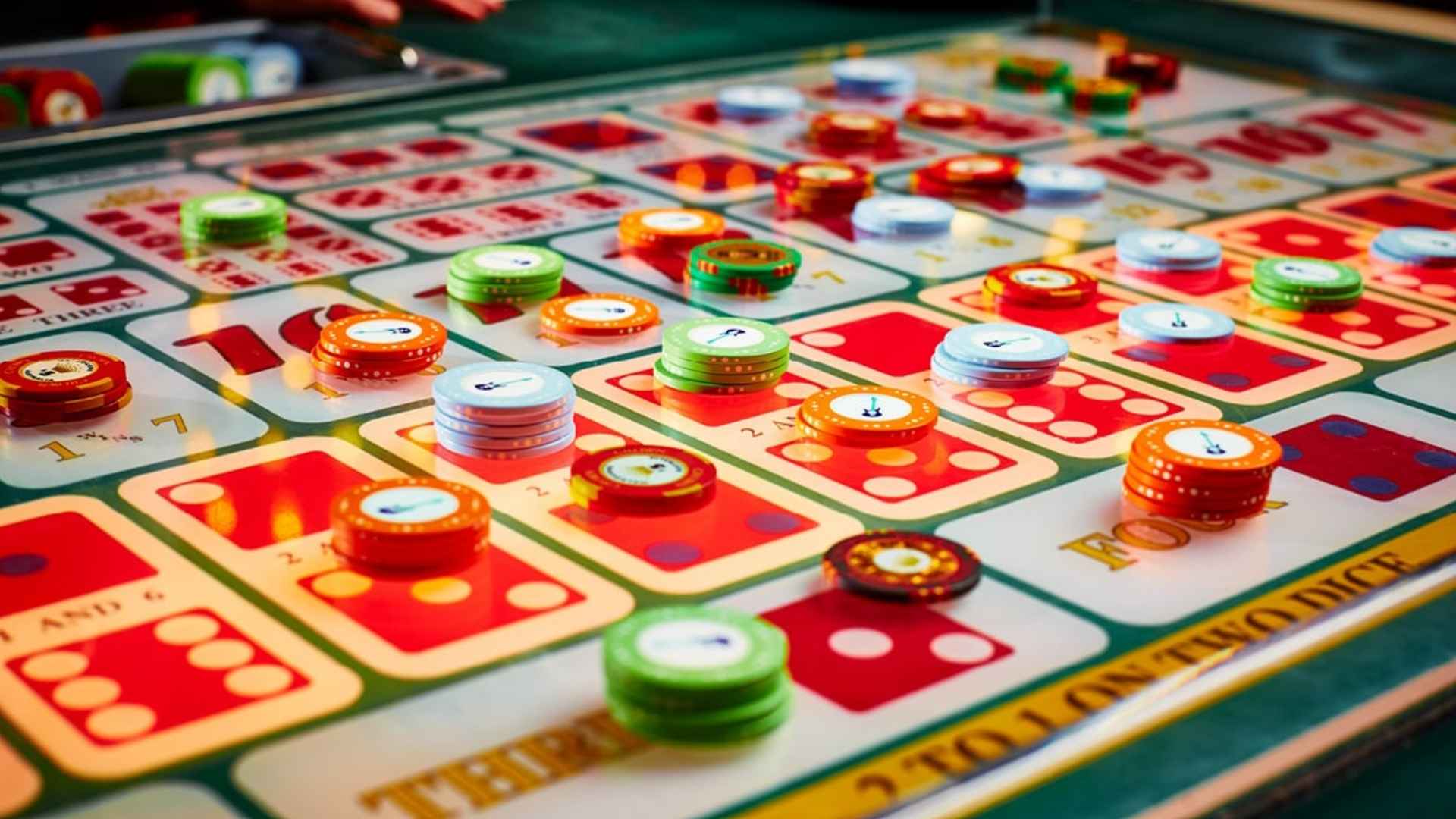
Craps stands out on physical gaming floors due to its fast action and collaborative table dynamics. Built around the outcome of rolling two dice, the game offers dozens of potential wagering combinations across multiple phases. While the vast layout can intimidate newcomers, core bets like Pass Line offer strong odds and straightforward conditions.
Understanding the multi-roll structure allows players to ride winning streaks and build strategic betting systems over time. The shared destiny of players betting together fosters a lively communal atmosphere unique to the dice pit. Master class craps strategies reward those who take time to learn its deep wagering options.